
 AU
AU United Kingdom
 Europe
 United States

- Spacer lift kits are growing in popularity among 4WD owners seeking extra ground clearance and room for larger tyres.
- Poorly designed spacer lifts have caused safety and compliance issues, prompting stricter oversight in Australia.
- VSB14 sets a 50mm legal lift limit and outlines rules for suspension travel, materials, and balanced lifting.
- Modern, well-engineered kits can be both safe and legal, maintaining handling, braking, and stability.
- Compliance with VSB14 and alignment with Australian Design Rules (ADRs) are essential to avoid fines and insurance problems.
Spacer lift kits are a popular modification for 4WDs, providing extra ground clearance, space for slightly larger tyres, and a tougher, more commanding stance. However, questions often arise about their safety, effect on vehicle performance, and legality under Australian laws such as VSB14 and the Australian Design Rules (ADRs).
Understanding how spacer lifts work and the rules that govern them is essential for anyone considering this type of modification. A properly designed and correctly installed kit can be safe and legal, while poorly engineered options can lead to compliance issues, unsafe handling, and voided insurance.
The Evolution of Spacer Lift Kits
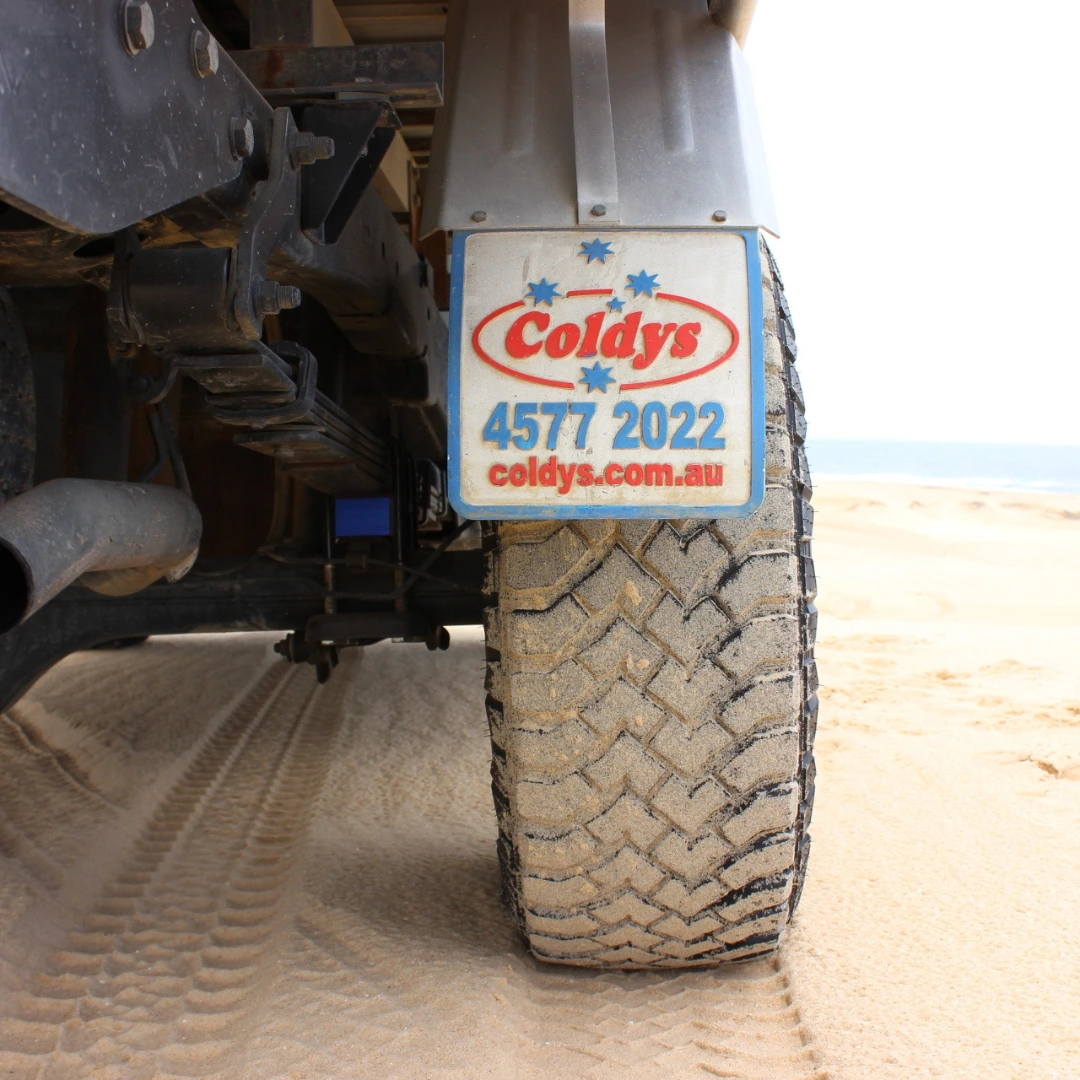
Spacer lifts haven’t always had a positive reputation, in the past, many were sold without proper engineering or testing, sometimes lifting vehicles beyond the safe and legal 50mm limit.
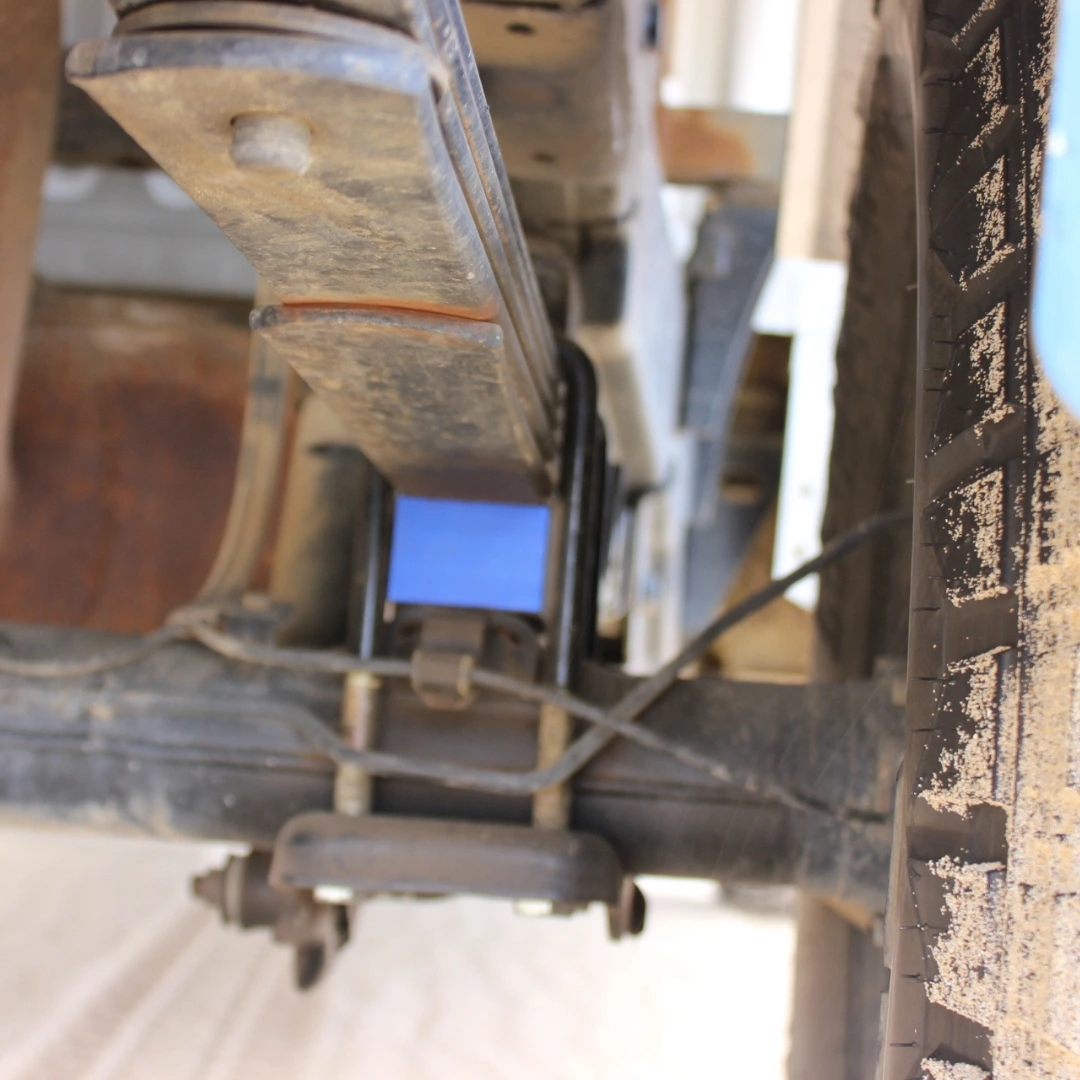
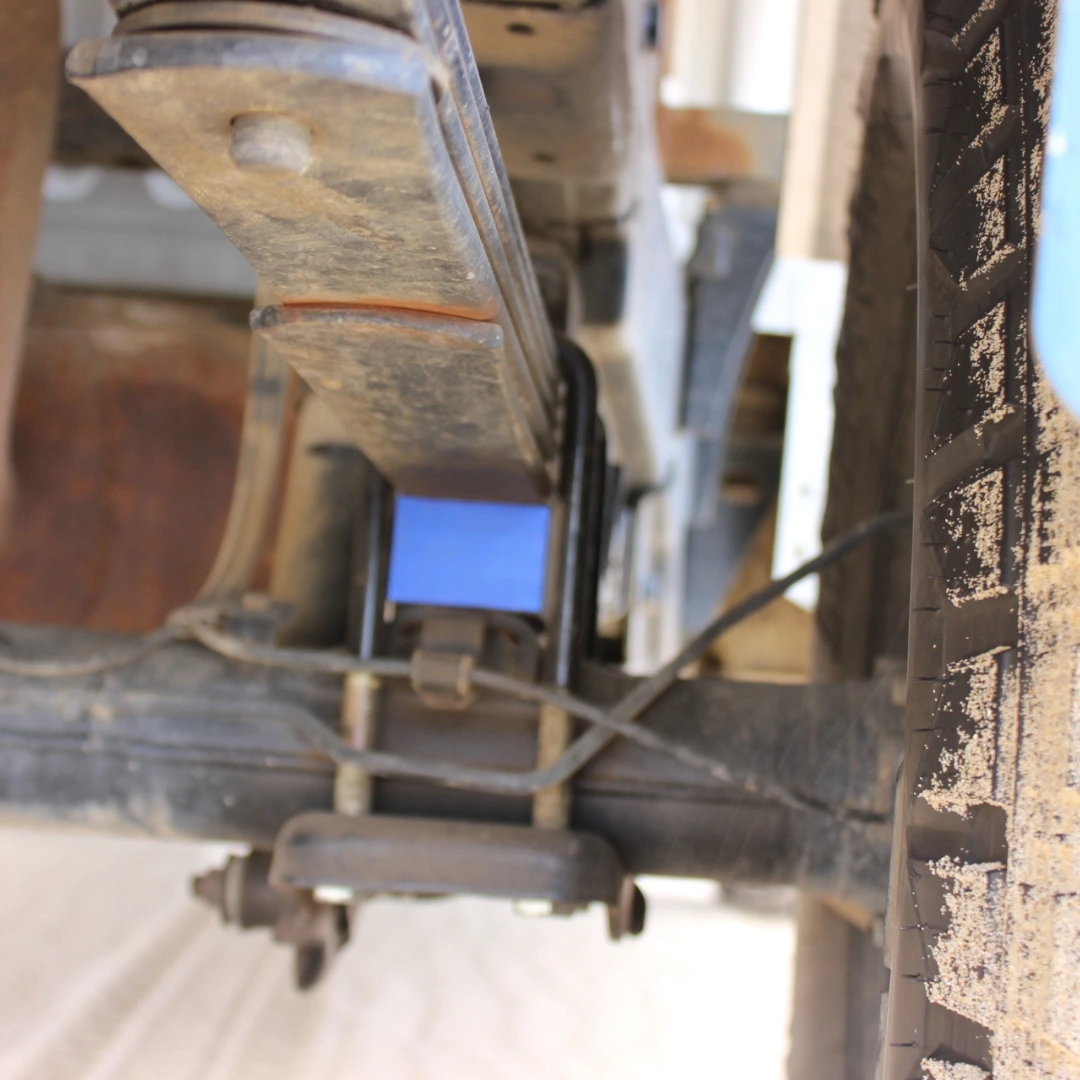
These poorly designed kits often caused issues like restricted suspension travel, uneven weight distribution, and reduced braking performance.
Modern spacer lifts are far more advanced. Today, well-designed kits are engineered to work with a vehicle’s original suspension geometry.
This includes ensuring the shock absorber doesn’t bottom out before the bump stop, maintaining two-thirds of the vehicle’s rebound travel, and keeping the lift within the legal limits.
When designed with these factors in mind, spacer lifts can be a safe and compliant way to achieve extra clearance without the expense and complexity of a full suspension upgrade.
What Spacer Lift Kits Do?
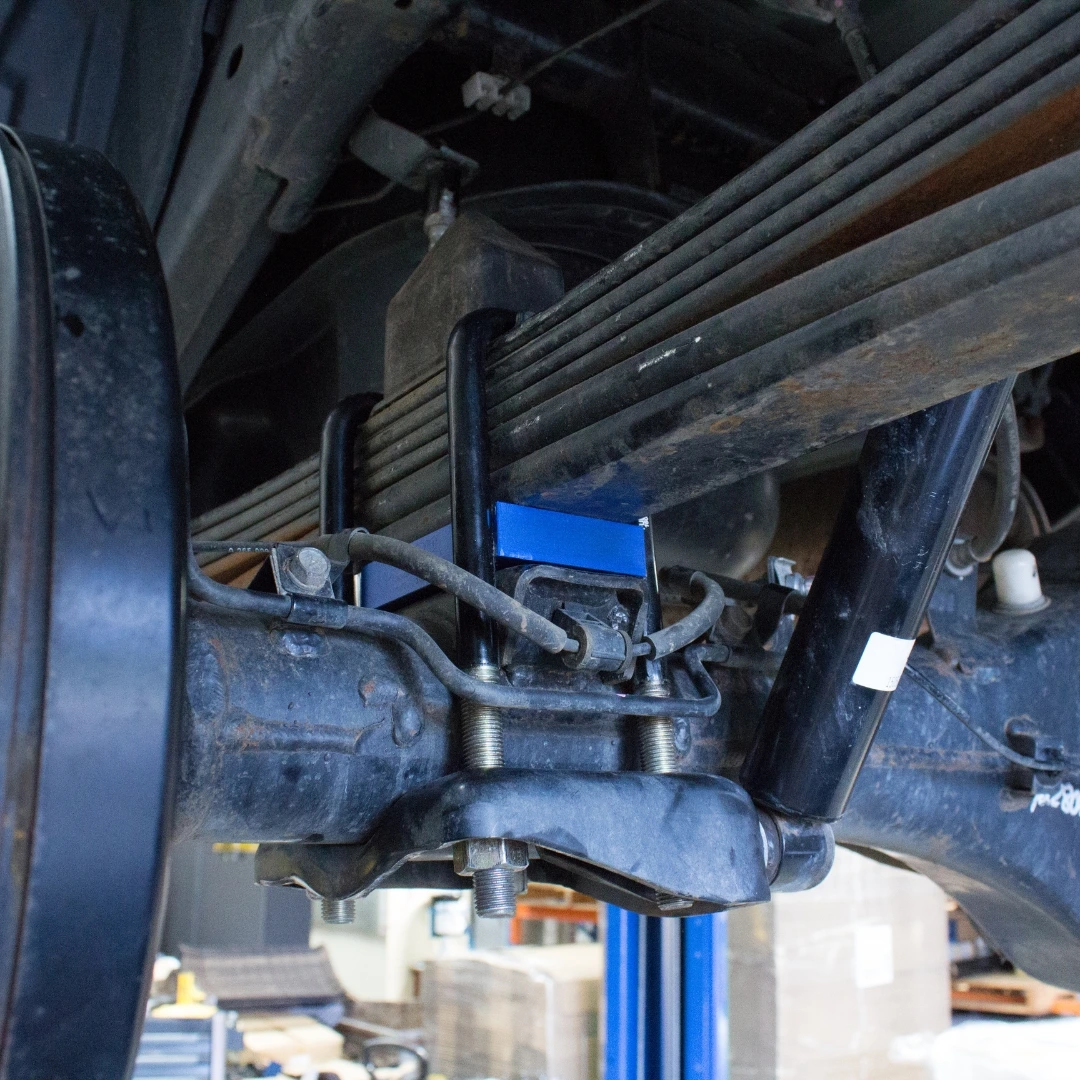
A spacer lift kit raises a vehicle’s ride height by inserting spacers between existing suspension components, the chassis or struts.
Unlike a full suspension lift, this method doesn’t replace major suspension parts like springs or shocks, making it a simpler and less intrusive option.
Spacer lifts are often chosen for their practicality. They deliver noticeable results without the need for extensive modifications, making them ideal for everyday drivers and recreational off-roaders.
Some of the key benefits of spacer lifts include:
- Increased ground clearance for light off-road driving and improved approach and departure angles.
- Additional space to fit slightly larger tyres, enhancing both performance and aesthetics.
- A more aggressive, lifted appearance that many 4WD owners find appealing.
- Lower cost compared to a full suspension lift, making them accessible to a wide range of drivers.
- The ability to be reversed, returning the vehicle to its original specifications if needed.
Spacer Lifts vs. Full Suspension Lift Kits
When raising a vehicle’s ride height, there are two main approaches: spacer lift kits and full suspension lift kits. While both achieve extra clearance, they do so in very different ways.
Spacer lifts are a simpler, more affordable option. They work with the existing suspension, adding height without replacing key components. This means the vehicle’s original ride quality and handling are mostly preserved.
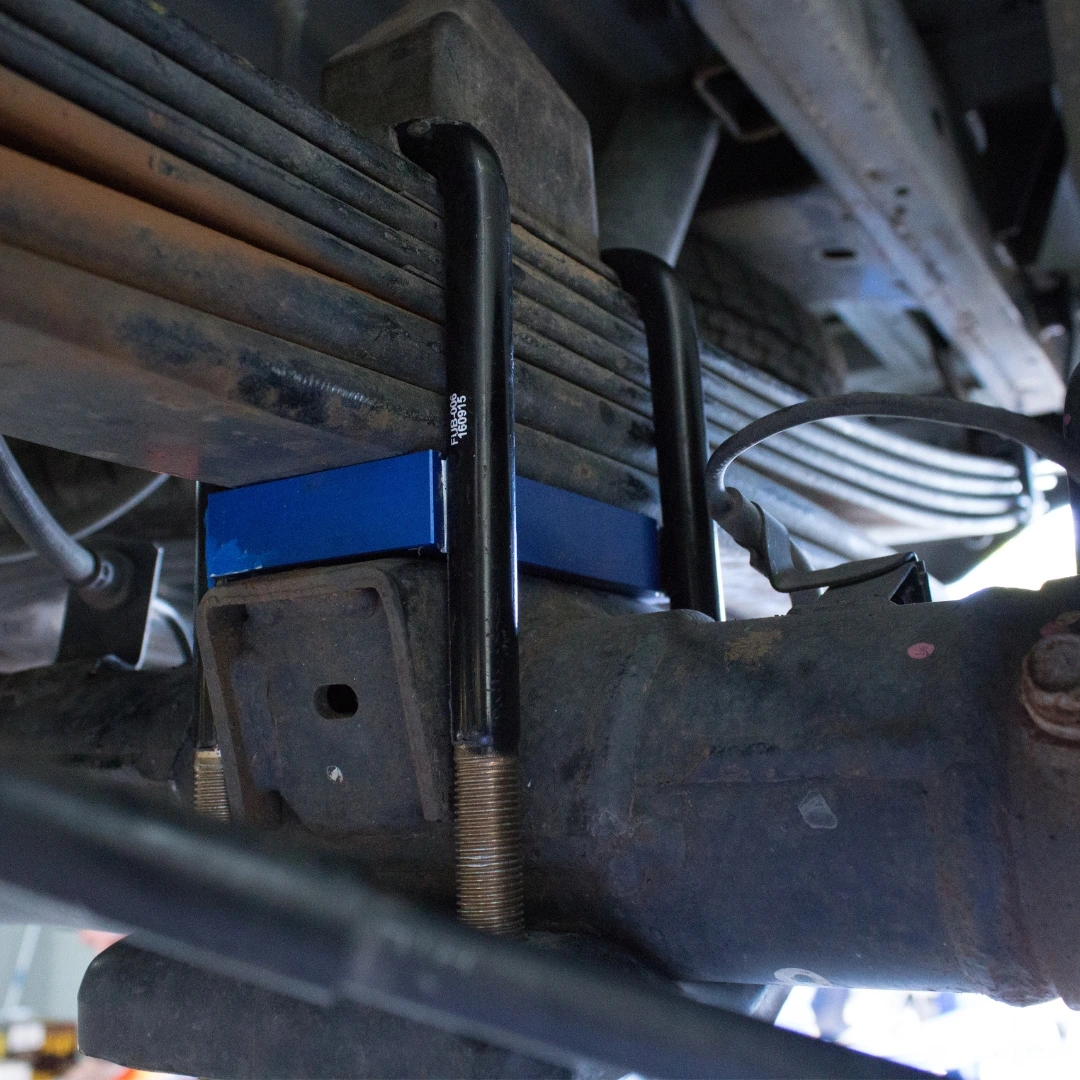
In Australia, they are legal up to 50mm, provided they meet the requirements of VSB14 lift height rules and are installed correctly.
Spacer lifts are also reversible, making them a good choice for those who may want to return the vehicle to factory specifications in the future.
Full suspension lift kits take a more comprehensive approach, where they replace major suspension parts such as springs, shocks, and sometimes control arms.
This offers greater articulation and off-road performance, but at a higher cost and with permanent changes to the vehicle. Because full suspension lifts often exceed the 50mm limit, they usually require engineering certification to remain road legal.
For most everyday drivers, spacer lifts strike the right balance between performance, compliance, and cost.
Full suspension kits are better suited to dedicated off-road enthusiasts seeking maximum capability.
Legality of Spacer Lifts in Australia
Suspension modifications in Australia are strictly regulated to ensure vehicles remain safe and roadworthy. Spacer lifts are legal when they comply with Vehicle Standards Bulletin 14 (VSB14) and relevant state or territory regulations.
Understanding the key rules within VSB14 is essential before making any suspension changes. These rules define what counts as a basic modification and outline the requirements for safe and compliant lifts.
VSB14 – Vehicle Standards Bulletin 14
VSB14 sets out the national standards for tyre, suspension, and steering modifications. Spacer lifts that meet these requirements are classified as basic modifications, meaning they do not require engineering certification when installed on vehicles with standard suspension.
The following principles are critical to staying compliant:
-
Maximum 50mm Lift:
The total suspension lift must not exceed 50mm unless certified by an approved engineer. -
Preservation of Suspension Travel:
At least two-thirds of the vehicle’s original rebound travel must be maintained to prevent undue stress on the suspension. -
High-Strength Materials:
Any blocks used with leaf springs must be made from strong metals such as aluminium or steel and securely fixed to prevent movement. -
Balanced Lifting:
The front and rear of the vehicle must be raised equally to maintain factory rake, weight distribution, and safe braking performance. -
Prohibited Components:
Extended or adjustable shackles cannot be used to raise vehicles with leaf spring suspensions.
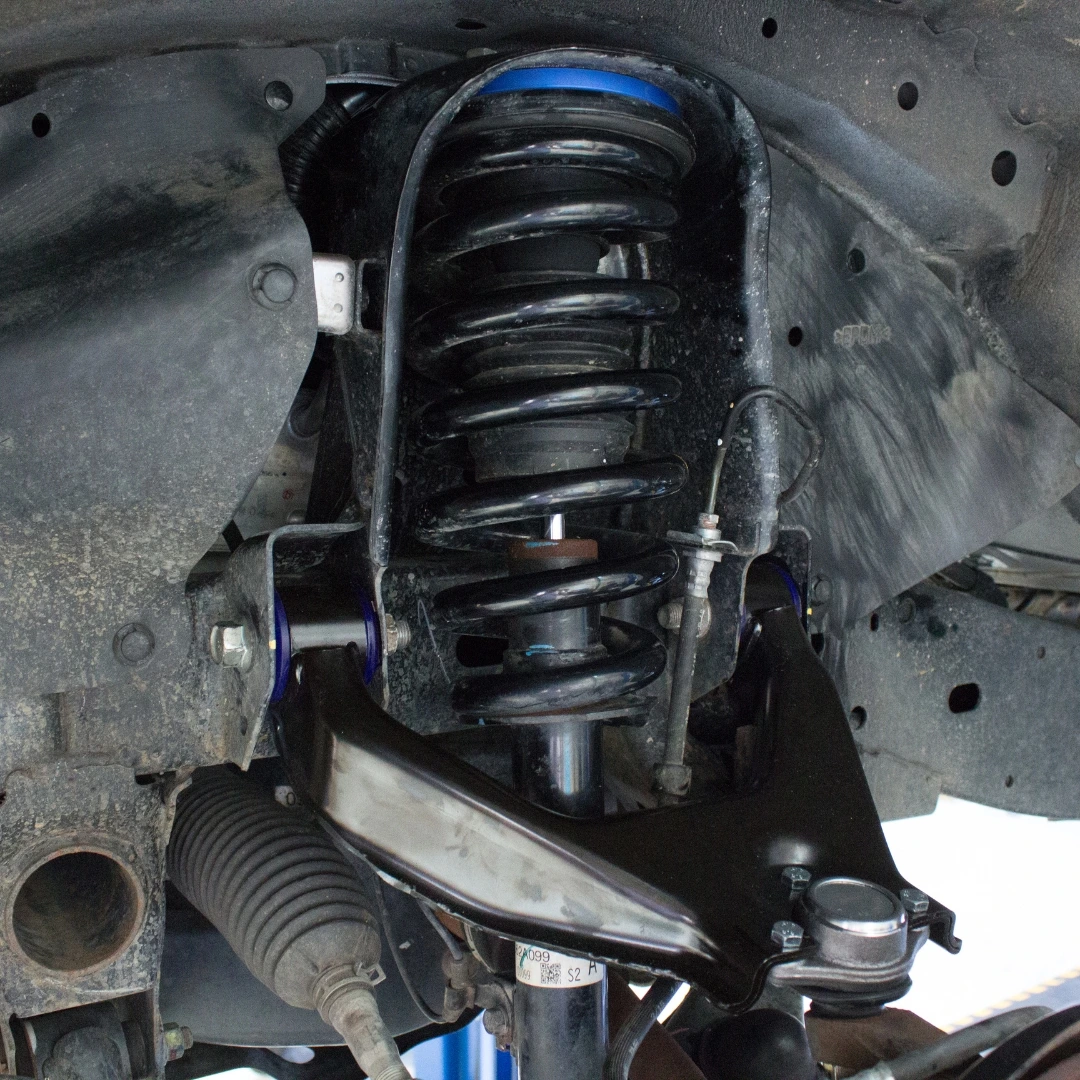
Following these rules ensures a spacer lift provides extra clearance without compromising stability or roadworthiness.
Australian Design Rules (ADRs)
The Australian Design Rules are national safety standards that apply to new and imported vehicles. While they don’t directly govern aftermarket modifications like spacer lifts, compliant modifications are designed to align with these safety principles.
Several ADRs are particularly relevant when lifting a vehicle:
- ADR 7 – Brake Hoses:
Suspension modifications must not put excessive strain on brake hoses or ABS cables. - ADR 31/35 – Braking Performance:
Both the front and rear of the vehicle should be lifted evenly to preserve braking balance and efficiency. - ADR 43 – Vehicle Dimensions:
Increased ground clearance must not compromise stability or create safety risks. - ADR 10 & ADR 12 – Steering and Visibility:
Lifts should not interfere with steering column function or reduce the driver’s field of vision.
By considering these principles during installation, spacer lifts can enhance a vehicle’s capabilities while remaining safe and roadworthy.
Electronic Stability Control (ESC)
Electronic Stability Control is a vital safety feature in modern vehicles. When installed correctly and kept within the 50mm legal limit, spacer lifts affect ESC no more than other legal suspension modifications. This ensures systems continue to function as intended, providing stability and control during emergency manoeuvres.
Benefits of a Well-Designed Spacer Lift
Choosing a well-engineered spacer lift kit brings a range of advantages for everyday drivers and recreational off-roaders. These benefits go beyond
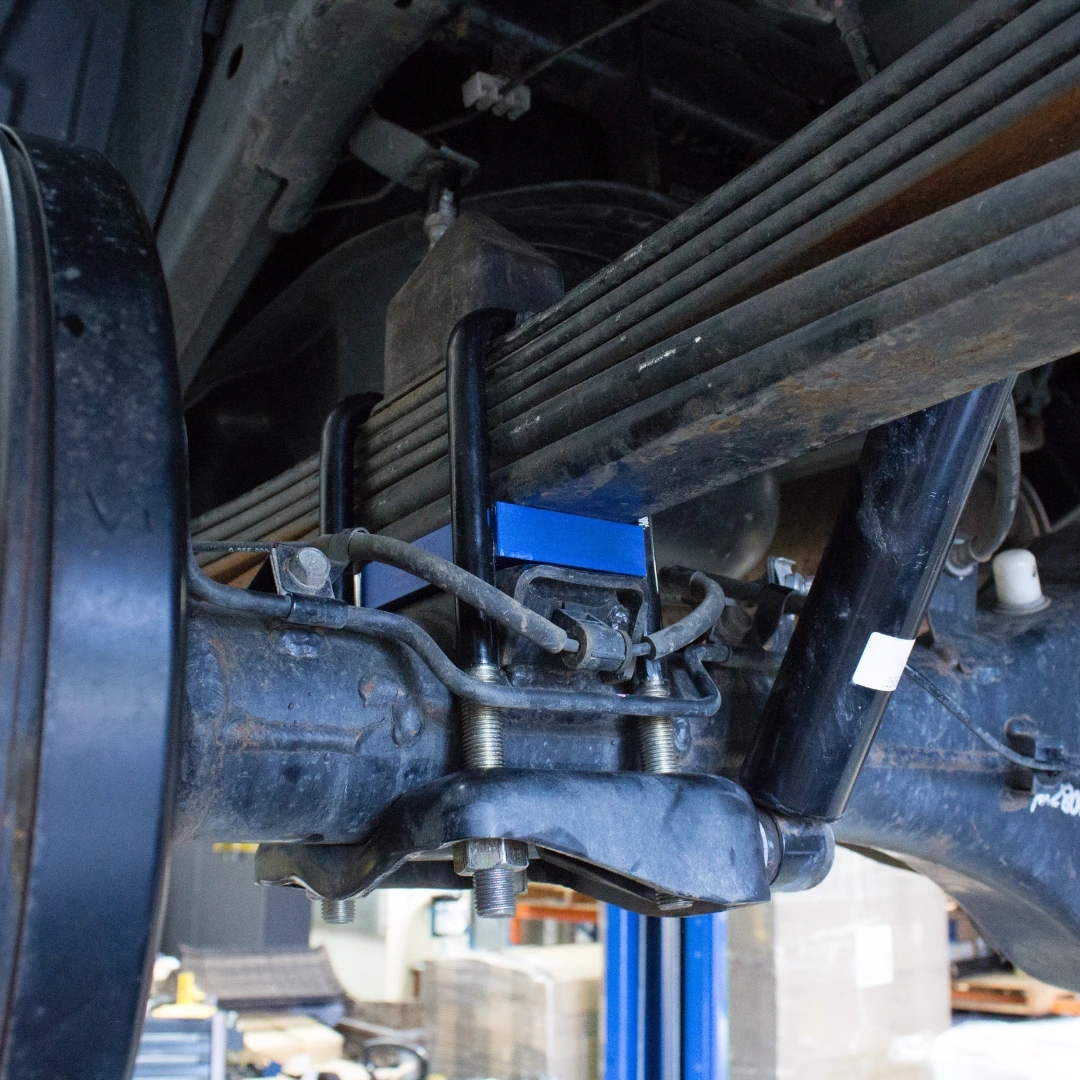
Key benefits include:
- Safe and Legal Operation: Kits that comply with VSB14 and align with ADR principles ensure the vehicle remains roadworthy.
- Affordability: Spacer lifts cost significantly less than full suspension kits, making them an accessible modification for most 4WD owners.
- Reversibility: Because they don’t require permanent changes, spacer lifts can be removed, returning the vehicle to its original state.
- Factory Ride Comfort: By working with the existing suspension, they maintain the original ride quality and handling characteristics.
- Practical Clearance Gains: A modest lift creates enough space for slightly larger tyres and better approach angles for light off-road driving.
Choosing the Right Spacer Lift
Selecting the right spacer lift kit is essential for both safety and compliance. The wrong kit can lead to handling problems, legal issues, and even insurance complications.
Consider the following when making a decision:
- Vehicle Compatibility: The kit should be designed specifically for your vehicle’s make and model to ensure proper fitment.
- Legal Lift Height: Ensure the total lift does not exceed 50mm unless you plan to obtain engineering certification.
- Material Quality: High-strength materials like aluminium and steel are essential for safety and durability.
- Installation Guidance: Clear instructions and proper installation practices are vital for achieving a safe, legal result.
Avoid generic, universal kits, as they often lack the precision and quality required for compliance and long-term performance.
Lifting Your 4WD Safely and Legally
Spacer lifts have evolved from crude, unsafe designs into carefully engineered solutions that, when installed correctly, comply with Australian laws and safety standards. By following proper guidelines, 4WD owners can enjoy the benefits of extra ground clearance, and a more capable vehicle without compromising on safety or legality.
With the right planning, components, and maintenance, a spacer lift can be a smart, safe, and fully compliant modification for both everyday driving and recreational off-road adventures.
Spacer Lift Kits FAQ
Have questions about spacer lift kits, 4WD suspension rules, or VSB14 compliance? Below, we answer the most common questions to help you understand safe, legal, and practical ways to lift your vehicle.
What is a spacer lift kit?
A spacer lift kit raises your vehicle’s ride height by adding spacers to the suspension, creating extra ground clearance and tyre space without replacing major components.
Are spacer lift kits legal in Australia?
Yes—if they comply with VSB14. The lift must not exceed 50mm, maintain safe suspension travel, and use approved materials like aluminium or steel.
How much can I legally lift my 4WD without certification?
You can lift a vehicle up to 50mm total, including tyres and body lifts, without engineering certification. Anything higher requires formal approval.
How do spacer lifts compare to full suspension lifts?
Spacer lifts are cheaper and simpler, great for light off-road use. Full suspension lifts cost more, replace major components, and provide better articulation for serious off-roading.
Do spacer lifts affect handling or braking?
A quality, balanced spacer lift maintains handling and braking. Poor or uneven kits can cause instability and unsafe stopping distances.
Do spacer lifts affect Electronic Stability Control (ESC)?
When kept under 50mm and installed correctly, spacer lifts affect ESC no more than other legal suspension modifications.
Can I install a spacer lift kit myself?
It’s possible, but professional installation is strongly recommended to ensure correct alignment, safety, and compliance with VSB14.
How does a spacer lift affect tyre size options?
It creates room for slightly larger tyres, but tyre upgrades must still comply with legal size and height limits.
Will a spacer lift kit void my insurance?
No, as long as it’s legal and declared to your insurer. Non-compliant or unreported lifts may result in denied claims.
What maintenance is required after fitting a lift?
Inspect regularly, perform wheel alignments, and monitor handling and braking for any unusual changes.